


Homeowners insurance is one of the costs buyers need to understand before closing on a Texas home. It can affect the monthly payment, the amount of cash needed at closing, and whether the lender is ready to fund the loan. For sellers, the property's roof, condition, repair history, and prior insurance claims can influence what a buyer is able to insure.
In North and East Texas, where hail, wind, thunderstorms, and occasional severe freezes are part of homeownership, the cheapest quote is not always the best protection. The important question is what the policy actually covers, what it excludes, and how much the homeowner could have to pay after a loss.
Key things Texas home buyers and sellers should know
- Start getting insurance quotes early in the contract period. Do not wait until the week of closing.
- Roof age, roof condition, prior claims, construction, location, and replacement cost can affect eligibility and price.
- Most standard homeowners policies do not cover flood damage. Flood insurance is a separate coverage.
- Check whether the policy pays replacement cost or actual cash value, especially for the roof.
- Compare deductibles and exclusions, not just the annual premium.
- For homes on acreage or property used for farming or livestock, ask whether a farm and ranch policy is more appropriate than a standard homeowners policy.

How much does homeowners insurance cost in Texas?
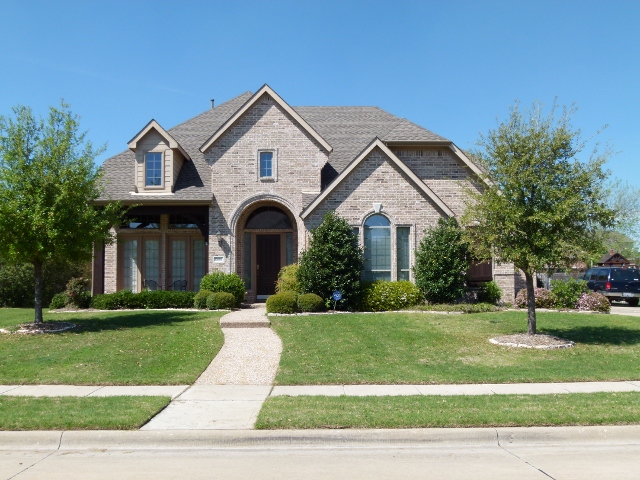
Home insurance premiums vary widely from one property to another. The Texas Department of Insurance (TDI) reports a statewide average annual homeowners premium of $3,489 for 2025. TDI also reports an average insured home coverage amount of $432,800 for that year. These are statewide figures, not a quote. Your actual premium may be higher or lower depending on the home, its location, coverage limits, deductible, claims history, and the insurer's underwriting rules.
The statewide numbers also show why it is important to look beyond the rate alone. The average insured coverage amount has increased over time, and a higher amount of insurance can raise the premium even if the rate itself does not change. TDI publishes market information and county-level data through its Texas homeowners insurance market overview.
When comparing quotes, make sure the dwelling limit, personal property coverage, liability limits, deductibles, and endorsements are reasonably comparable. A lower quote may reflect less coverage or a larger amount you would have to pay out of pocket after a claim.
What does a standard Texas homeowners policy cover?
Most homeowners policies combine several types of protection. The exact terms and limits depend on the policy, but common coverage sections include:
- Dwelling: The house itself and covered attached structures.
- Other structures: Detached garages, sheds, fences, and other structures, subject to the policy's terms and limits.
- Personal property: Furniture, clothing, appliances, and other belongings.
- Loss of use: Certain additional living expenses if a covered loss makes the home temporarily unlivable.
- Personal liability: Protection for certain claims if the homeowner is legally responsible for injury or property damage.
- Medical payments: Limited payments for certain injuries to others, subject to the policy.
Do not assume every item on the property is covered simply because it is on the same parcel. Ask about detached buildings, fences, pools, equipment, and other improvements. The policy's limits, exclusions, and definitions control.
TDI's Home Insurance Guide explains the common coverage sections and points out that coverage varies by company.
What homeowners insurance usually does not cover
One of the biggest misunderstandings is the difference between water damage and flood damage. Many homeowners policies cover certain sudden and accidental water losses, such as a pipe that suddenly breaks. They generally do not cover damage caused by floodwater entering the home from rising water outside.
Common exclusions or limitations can include:
- Flooding, which generally requires a separate flood insurance policy.
- Wear and tear, deterioration, and maintenance problems.
- Continuous or repeated water leaks.
- Earth movement and earthquakes, unless added by endorsement.
- Termite, insect, rodent, and other pest damage.
- Some mold remediation, sewer or drain backup, foundation, and code-upgrade costs unless the policy includes appropriate coverage or endorsements.
Flood risk is not limited to homes in a mapped high-risk flood zone. TDI notes that most homeowners policies do not cover flood damage and encourages homeowners to consider flood coverage even when a lender does not require it. Ask about the policy, the flood map, drainage, nearby creeks and waterways, and the property's history rather than relying on one factor alone. See TDI's home insurance guide and FEMA's FloodSmart flood insurance information.
Roof age and condition can affect the insurance quote
The roof is one of the first things an insurer may evaluate. Its age, material, condition, prior repairs, and evidence of storm damage can affect whether a company will offer coverage and what terms it will provide. Some insurers may require an inspection, ask for roof documentation, limit roof coverage, or decline a property that does not meet their underwriting standards.
Pay close attention to how roof claims are settled. Replacement cost coverage generally pays based on the cost to repair or replace covered damage with comparable materials at current prices, subject to the policy and deductible. Actual cash value subtracts depreciation. A roof with an actual cash value settlement may leave the owner responsible for a larger share of the replacement cost.
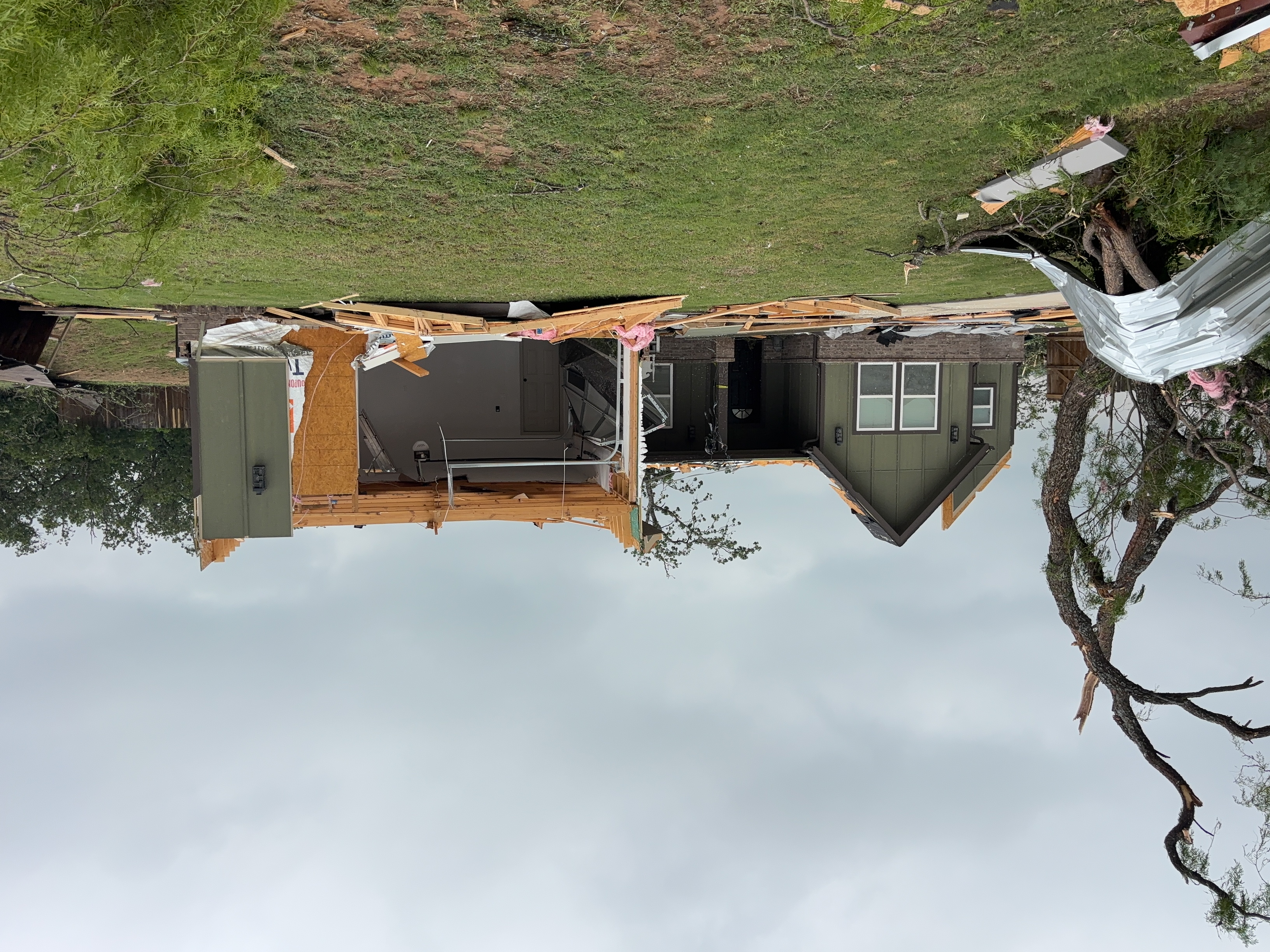
Also check whether wind or hail has a separate deductible. A percentage deductible is calculated using the policy's insured amount, not necessarily the repair bill. Ask the insurance agent to show the dollar amount that would apply to a realistic claim.

Can a metal roof lower homeowners insurance in Texas?
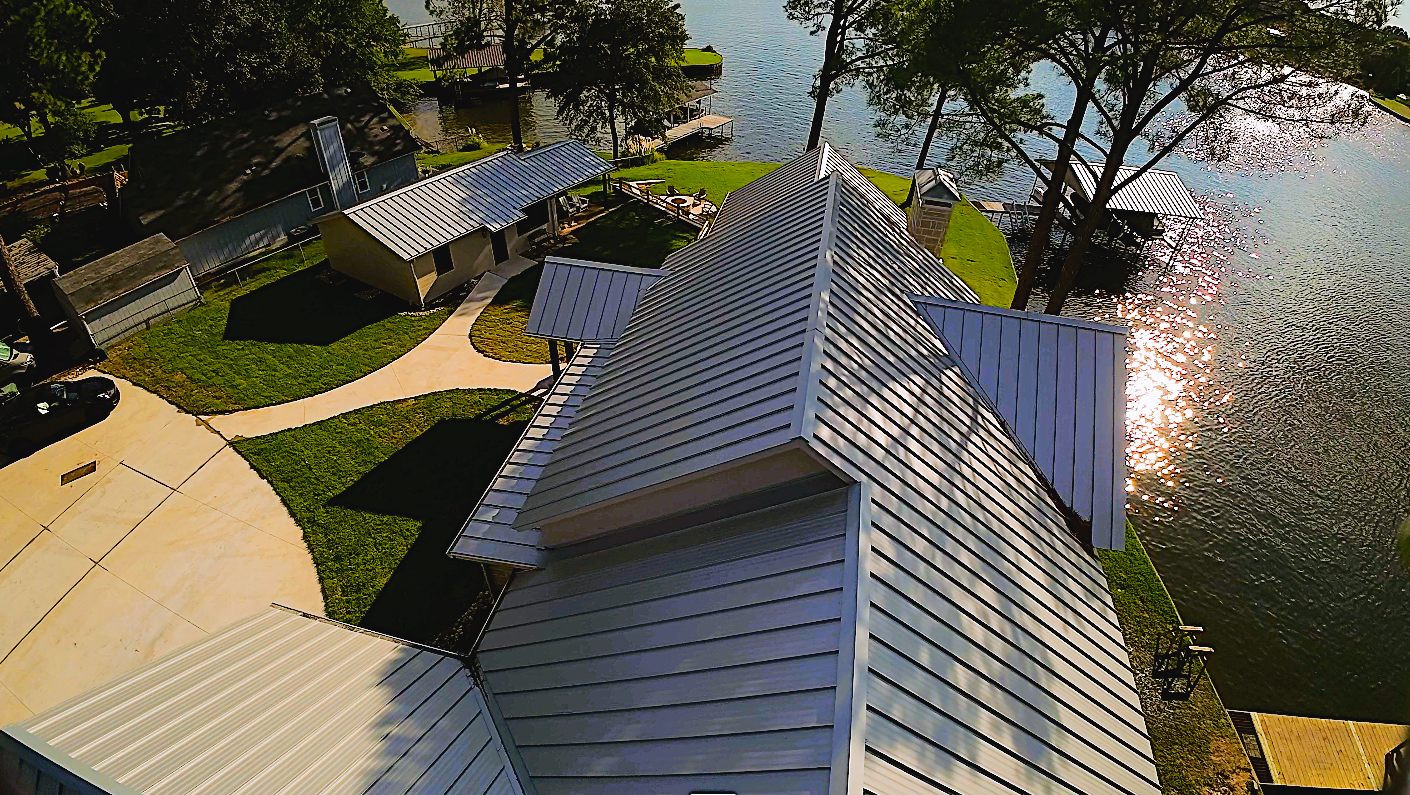
Possibly. The Texas Department of Insurance says a metal roof could lower a homeowners insurance premium, but not every company offers a discount and the savings vary. The type of metal, panel thickness, roof system, installation, impact rating, and the insurer's underwriting rules can all matter. A metal roof is not automatically a discounted roof.
One useful standard to ask about is UL 2218 impact resistance. Roofing materials are tested and classified from Class 1 through Class 4, with Class 4 representing the highest impact-resistance classification under that test. TDI says insurers set their own accepted testing criteria, documentation requirements, and premium credits. Some metal panels and sheets can qualify, but the product itself must meet the insurer's requirements. Get the exact manufacturer's product data and classification before assuming a roof qualifies.
Texas has also taken a recent step toward encouraging stronger homes. In September 2026, TDI issued Commissioner’s Bulletin B-0008-26 encouraging insurers to develop meaningful, actuarially supported discounts for loss-mitigation improvements, including impact-resistant roofing and homes built or retrofitted to IBHS FORTIFIED Home standards. The bulletin encourages discounts; it does not set a required percentage or guarantee that every company will offer one.
There is an important trade-off to check. TDI warns that a policy offering a metal-roof discount may exclude cosmetic damage. Hail may dent a metal panel without puncturing it or causing a leak. If the policy excludes cosmetic damage, the insurer may not pay to remove dents that affect appearance but not the roof's function. Read the actual endorsement and ask how the policy treats dents, scratches, coating damage, and functional damage.
Before installing a metal roof, ask the insurance company these questions:
- Does this specific metal roofing product qualify for an impact-resistant roof credit?
- What UL 2218 classification and product documentation do you require?
- How much would the premium change, in dollars, after the roof is installed?
- Does the discount come with a cosmetic-damage exclusion or a different roof-loss settlement method?
- Will you require an inspection, contractor certification, photos, invoices, or a completed installation form?
- Will the credit continue at renewal, and can the company change the terms?
Keep the manufacturer's specifications, packaging labels, contractor invoice, installation records, and any required certification. TDI publishes an Impact-Resistant Roofing Installation Form (PC068) that can help document qualifying roofing. Ask your insurer whether it accepts that form or requires its own paperwork.
For more information, see TDI's Metal Roofs and Home Insurance, its impact-resistant roofing credits page, and Commissioner's Bulletin B-0008-26.
What about metal buildings and barndominiums?
A metal roof and a metal building are two different insurance questions. A metal roof may qualify for a roof-related credit if the exact product meets the insurer's impact-resistance rules. A steel-framed or metal-sided barndominium does not automatically receive the same credit, and there is no statewide Texas discount specifically for barndominiums that we can point to.
Construction materials can affect underwriting. TDI says insurers consider construction materials and notes that claim costs can be lower for homes built of brick or stone than for homes built entirely of wood. That does not establish a blanket metal-building discount. Each insurer decides how it classifies and prices a steel-frame, post-frame, or mixed-use building.
Barndominiums can also be more complicated to insure because the building may combine living quarters with a shop, garage, storage area, agricultural use, or business activity. The insurer may need to know the square footage used as a residence versus shop space, the construction type, roof and siding, attached or detached structures, occupancy, and how the property is used. Some standard homeowners policies may not fit the risk, so buyers should speak with an agent who regularly insures barndominiums and farm or ranch properties.
There can be a termite-resistance advantage to steel framing and metal siding because termites feed on cellulose materials such as wood, not structural steel. But a metal building is not automatically termite-proof. Wood framing, trim, doors, cabinets, flooring, paper-faced drywall, and other cellulose materials may still be present. Texas A&M AgriLife Extension explains that termites attack wooden components in structures and can enter through soil contact or cracks and gaps. A steel frame reduces some wood exposure; it does not eliminate the need for proper termite prevention and inspection.
For a barndominium or metal home, ask the insurance agent to quote the actual design before construction or purchase. Provide plans and specifications showing the frame, exterior walls, roof system, insulation, interior finishes, electrical and plumbing systems, living area, shop area, and any business or agricultural use. Ask for written confirmation of the intended policy form and coverage for the entire structure.
Helpful references: TDI's home insurance underwriting guide, its guide to coverage for other structures, and Texas A&M AgriLife Extension's subterranean termite information.
Replacement cost versus actual cash value
These terms matter because they can make a substantial difference after a covered loss.
- Replacement cost: Generally pays the cost to repair or replace covered property without subtracting depreciation, subject to policy limits, conditions, and the deductible.
- Actual cash value: Generally factors in depreciation. The payment may be less than the cost to buy a new replacement.
Ask whether the dwelling, roof, and personal property are covered on a replacement-cost or actual-cash-value basis. Do not assume the same settlement method applies to every part of the policy. Read the declarations page and endorsements, and ask the agent to explain any roof payment schedule or limitation.
How to get homeowners insurance lined up before closing
Buyers should begin shopping for insurance soon after going under contract. A home that looks straightforward may still present an underwriting issue because of roof age, prior claims, electrical or plumbing updates, a wood-burning stove, a swimming pool, vacancy, or other property characteristics.
A practical sequence is:
- Contact an insurance agent early. Provide the property address and contract details and ask what information is needed for a quote.
- Gather property details. Be ready to provide the year built, square footage, roof age and material, construction type, heating and cooling information, and details about major updates.
- Review the inspection findings. If the inspection identifies roof, electrical, plumbing, heating, or other issues, ask the insurer whether those items affect coverage or require documentation.
- Compare the actual policy terms. Review dwelling limits, deductibles, roof settlement, water coverage, exclusions, liability limits, and optional endorsements.
- Confirm the effective date. Coordinate the policy start date with the closing date and the lender's requirements.
- Send proof to the lender and closing team. Confirm that the lender has the insurance evidence it requires and that the premium payment is handled as agreed.
Do not assume that receiving a quote means coverage is bound. Ask the agent to confirm when coverage becomes effective and what remains outstanding. A delay in securing coverage can create unnecessary pressure near closing.
What sellers should know before listing a home
Sellers do not need to shop for a buyer's insurance policy, but the property's condition and history can influence the buyer's ability to obtain coverage. Before listing, gather available records for roof replacement, repairs, permits, HVAC work, plumbing updates, and other major improvements.
If the home has had an insurance claim, keep the related repair records and invoices. An insurer may review the property's claim history, not only the current owner's history. TDI explains that many insurers use the Comprehensive Loss Underwriting Exchange (CLUE), which can include claim history for the property and prior owners for up to seven years.
Be accurate when discussing repairs or insurance claims. A repaired roof is not the same as a new roof, and a prior claim does not automatically mean the property is uninsurable. Buyers should get their own quote and confirm the terms with their insurance agent.
What about homes on acreage, farms, and ranches?
Insurance for a rural property may need a closer look. TDI describes farm and ranch insurance as coverage for homes outside city limits on land used for farming and raising livestock. A standard homeowners policy may not be designed for every exposure associated with acreage or agricultural use.
Ask the insurance agent to review the entire operation and property, including barns, workshops, equipment, livestock, ponds, fences, detached buildings, business activity, and any rental or guest use. The right coverage depends on how the property is used and what needs to be insured. Do not assume a homeowners policy automatically covers farm structures, machinery, livestock, or business-related liability.
What if an insurance company will not cover the home?
Start by asking the agent why the company declined the risk and whether another insurer may have different underwriting requirements. One company's decision does not necessarily mean every company will reach the same conclusion.
Texas has a residual market option called the Texas FAIR Plan Association. It is not a first-choice substitute for comparing standard policies. Eligibility rules apply, including a requirement that the applicant has been declined by at least two insurance companies licensed and actively writing property insurance in Texas. The coverage is limited and may not include protections available in a standard policy. Review the current rules directly with an authorized agent and the Texas FAIR Plan Association.
For coastal properties, wind and hail coverage may be handled separately through the Texas Windstorm Insurance Association in eligible areas. That is generally not the normal arrangement for homes in North and East Texas. TDI explains the distinction in its windstorm insurance guide.
Questions to ask before choosing a homeowners policy
- Is the home insured for its estimated replacement cost, not simply its purchase price or loan amount?
- Is the roof covered at replacement cost or actual cash value?
- Is there a separate wind or hail deductible? What would that deductible be in dollars?
- Does the policy cover sudden water damage, and what limits apply to water backup or sewer backup?
- Is flood insurance needed or worth considering for this property?
- Are detached buildings, fences, pools, and other improvements covered adequately?
- Are there exclusions or special requirements based on the home's age, roof, wiring, plumbing, or occupancy?
- What documentation or repairs are required before coverage can begin or continue?
Buying or selling a home in North or East Texas?
Insurance is one of the details that can affect a real estate transaction long before closing day. Buyers should get quotes early and review the coverage carefully. Sellers can help by having repair records and property information available.
If you are buying or selling in Longview, Tyler, or elsewhere in North or East Texas, Lone Star Land Brokers can help you stay on top of the real estate side of the transaction and coordinate the right questions with your lender, insurance agent, inspector, and closing team.
Contact Lone Star Land Brokers to discuss your plans.
This article is general real estate information, not insurance, financial, or legal advice. Policy terms, underwriting rules, and coverage vary by insurer and property. Review the actual policy and speak with a licensed insurance professional about coverage decisions.