


Water can be one of the most valuable features of a Texas property. A private water well, pond, lake, creek, or access to surface water may influence how a property is used and enjoyed. But the presence of water does not automatically tell a buyer who owns the rights, who can use the water, or whether those rights transfer with the land.
That is why buyers and sellers should pay attention to TREC Form 61-0, Seller's Disclosure About Groundwater and Surface Water Rights. The current form, dated May 4, 2026, is designed to disclose the seller's knowledge about groundwater and surface water rights associated with the property.
Key points for Texas buyers and sellers
- A water well and the groundwater rights associated with it are not necessarily the same thing.
- Groundwater may be subject to regulation by a local groundwater conservation district.
- Surface water rights may involve a permit, certified filing, or certificate of adjudication administered by TCEQ.
- A pond, lake, or water tank is specifically asked about on Form 61-0, whether it currently contains water or not.
- Water rights may be held by someone other than the property owner, or may have been severed, sold, or leased.
- The form reports the seller's knowledge. It is not a title examination, inspection, or warranty.

What is TREC Form 61-0?
Form 61-0 is titled Seller's Disclosure About Groundwater and Surface Water Rights. Its opening notice says it discloses the seller's knowledge about groundwater and surface water rights on the property as of the date the seller signs. It also says the form is not a substitute for inspections or warranties a buyer may want and is not a warranty by the seller or the seller's agents.
The form defines groundwater, groundwater districts, surface water, surface water rights, and water wells. It then asks questions about wells, related rights and agreements, surface water rights, and ponds, lakes, or water tanks.
Find TREC forms and current form information. Look for TREC Form 61-0, dated May 4, 2026.
Groundwater and private water wells
Groundwater is water below the earth's surface, commonly found in aquifers and accessed through water wells. Form 61-0 explains that, unless severed from the surface estate, groundwater is owned by the surface landowner, who may be able to access it by drilling a well in compliance with applicable law and groundwater district rules, if any.
The form asks the seller:
- Whether any part of the property is located in a groundwater district and, if so, the district's name and website.
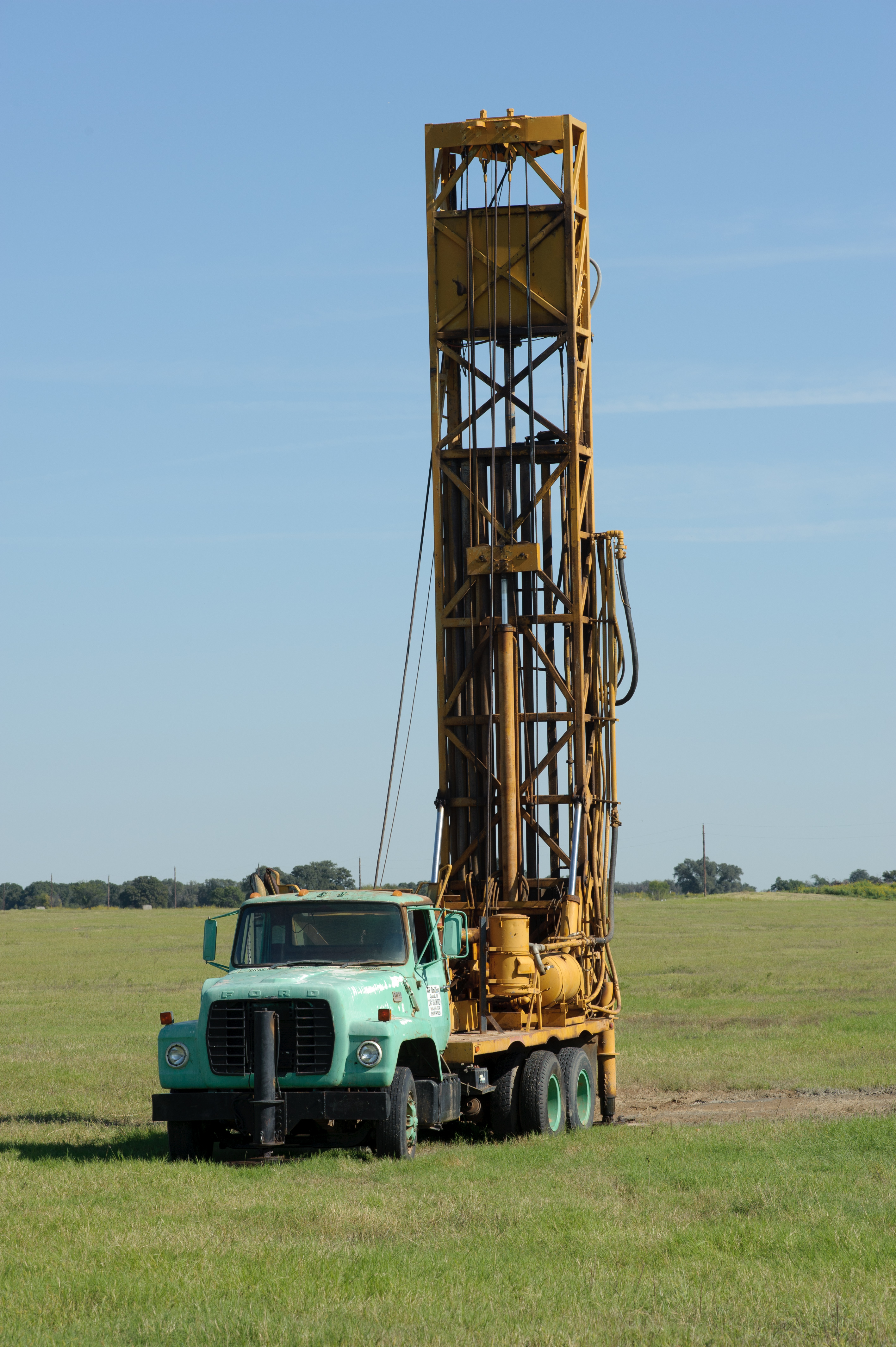
- Whether the seller knows of any water wells on the property, how many are known, how many are currently in use, and how many are capped, covered, plugged, or abandoned.
- Whether the wells are owned or operated solely by the seller for the property's benefit, or whether other people own or operate wells or benefit from them under an agreement or understanding.
- Whether the property receives water from a well located on another property.
- Whether a well on the property relies on groundwater rights owned or leased from land outside the property boundaries.
- Whether groundwater rights affecting the property have been severed, sold, or leased.

Why groundwater districts matter
A groundwater conservation district is a local or regional entity that may regulate the drilling or operation of water wells. Form 61-0 notes that not all Texas land is within a groundwater district. Where a district applies, its rules can matter to an existing well and to a buyer's plans for drilling or operating a well in the future.
District rules differ. The form also notes that subdividing a property may affect rights related to drilling or operating a water well. Buyers considering a new well, additional use, or a future division of the property should identify the applicable district and review its rules directly.
Surface water rights are different
Form 61-0 defines surface water rights as a permit, certified filing, or certificate of adjudication administered by the Texas Commission on Environmental Quality (TCEQ) that authorizes the diversion, impoundment, or use of surface water. The form also notes that not all diversions, impoundments, or uses of surface water require a surface water right.
The form asks whether the seller owns a surface water right associated with the property. If yes, it asks for the applicable permit, filing, or adjudication number and the names and ownership interests of anyone else who owns an interest in that right.
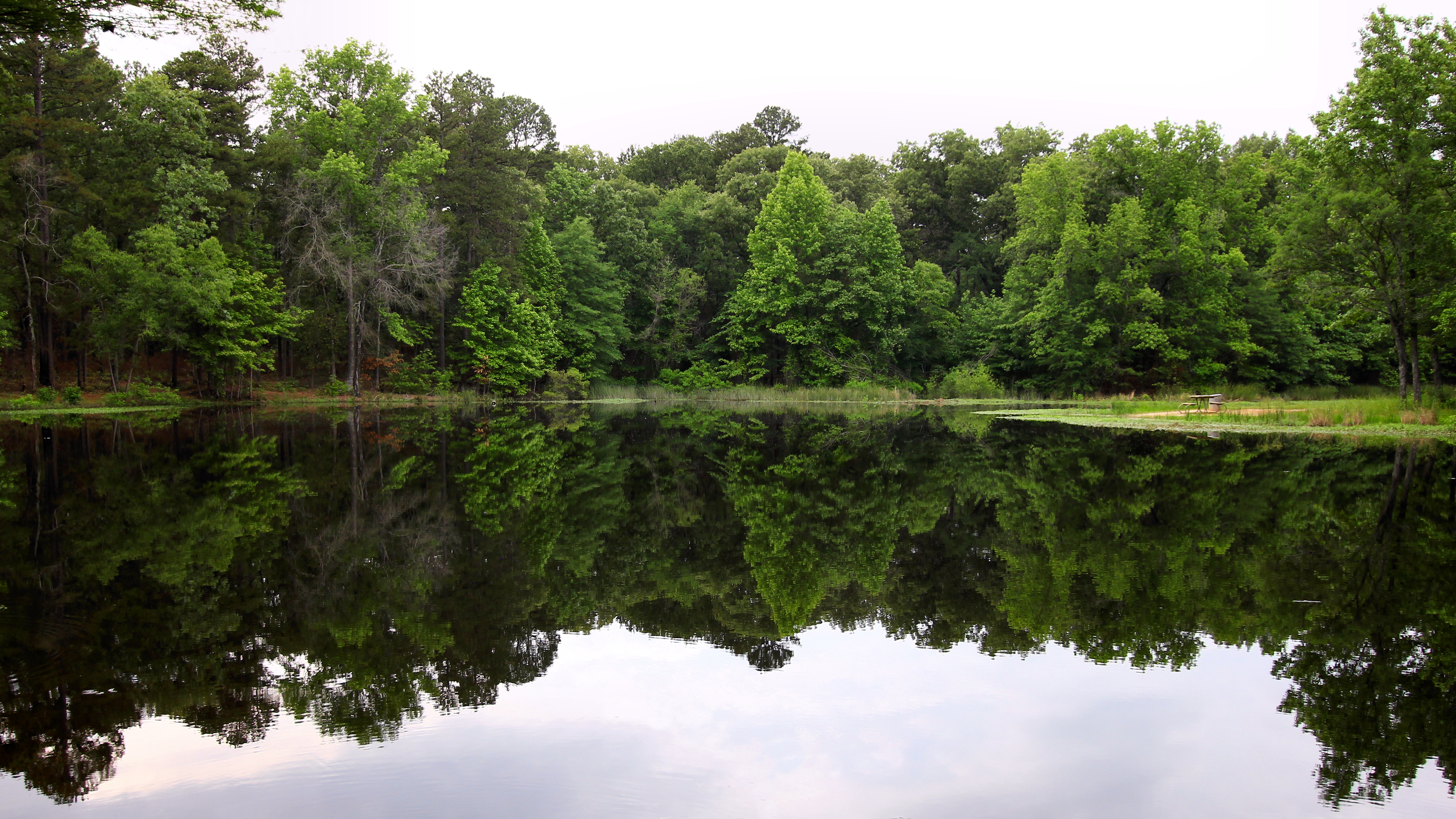
A pond or lake on a property does not, by itself, answer the question of who owns any associated surface water right. The right, if one exists, should be identified and reviewed separately.
Yes, the form asks about ponds, lakes and water tanks
Section 3B asks whether there is a pond, lake, or water tank on the property, whether currently with or without water. That means a dry pond or tank is still responsive to the question. Sellers should answer based on their knowledge and provide accurate information.
For buyers, the existence of a pond is only one part of the investigation. You may also want to understand its source, how it is maintained, whether it is shared, whether there are agreements affecting it, and what rights or restrictions apply to its use.
Water rights may not belong solely to the property owner
One of the most important parts of Form 61-0 is its attention to ownership and agreements. A well may be owned or operated by someone else, may benefit another property, or may depend on groundwater rights owned or leased from outside the property boundaries. Rights may also have been severed, sold, or leased.
The form's notice to buyers and sellers warns that water-rights statutes, rules, regulations, and court rulings can be complex. It also says water rights related to a property may be held by others. To determine the extent and application of water rights, the form recommends consulting an attorney who can examine the property's title and water-rights issues.
What buyers should investigate
- Confirm the location and status of any wells, including whether they are currently in use, capped, plugged, or abandoned.
- Identify the groundwater district, if the property is within one, and review its rules and requirements.
- Ask about well ownership, shared use, beneficiaries, and any written or verbal agreements disclosed by the seller.
- Determine whether groundwater rights have been severed, sold, or leased.
- If surface water rights are identified, obtain the permit, filing, or adjudication information and investigate ownership.
- Review the property's title and recorded documents for reservations, exceptions, easements, or agreements affecting water.
- Have wells and related equipment inspected by qualified professionals as part of the buyer's due diligence.
If a buyer or seller needs or intends to reserve, specifically except, or separately convey water rights related to the property, Form 61-0 advises each party to consult an attorney before signing a binding contract.
How this relates to the main Texas Seller's Disclosure
Form 61-0 addresses groundwater and surface water rights. It does not replace the general Seller's Disclosure Notice, TREC Form 55-1. The two forms address different information. For a broader explanation of the seller's property-condition disclosure, read our companion article: Selling a House in Texas? What Sellers Must Disclose to Buyers.
Buying or selling a property with a well or pond in North or East Texas?
Water features can add real value and usefulness to a property, but buyers should understand what comes with the land and what may be subject to separate rights, agreements, or regulations. This is especially important for rural homes, acreage, farms, and ranch properties.
Lone Star Land Brokers works with residential and rural properties across North and East Texas. Contact us if you are considering buying or selling property with a private well, pond, or other water feature.
This article is general real estate information, not legal advice. TREC Form 61-0 itself cautions that water-rights law can be complex and recommends legal review of title and water-rights issues where appropriate.